Ticket Broker, FTC Trade Motions to Dismiss in BOTS Act Legal Battle
The dueling lawsuits between a Maryland ticket broker and the Federal Trade Commission escalated this week, with both sides asking…
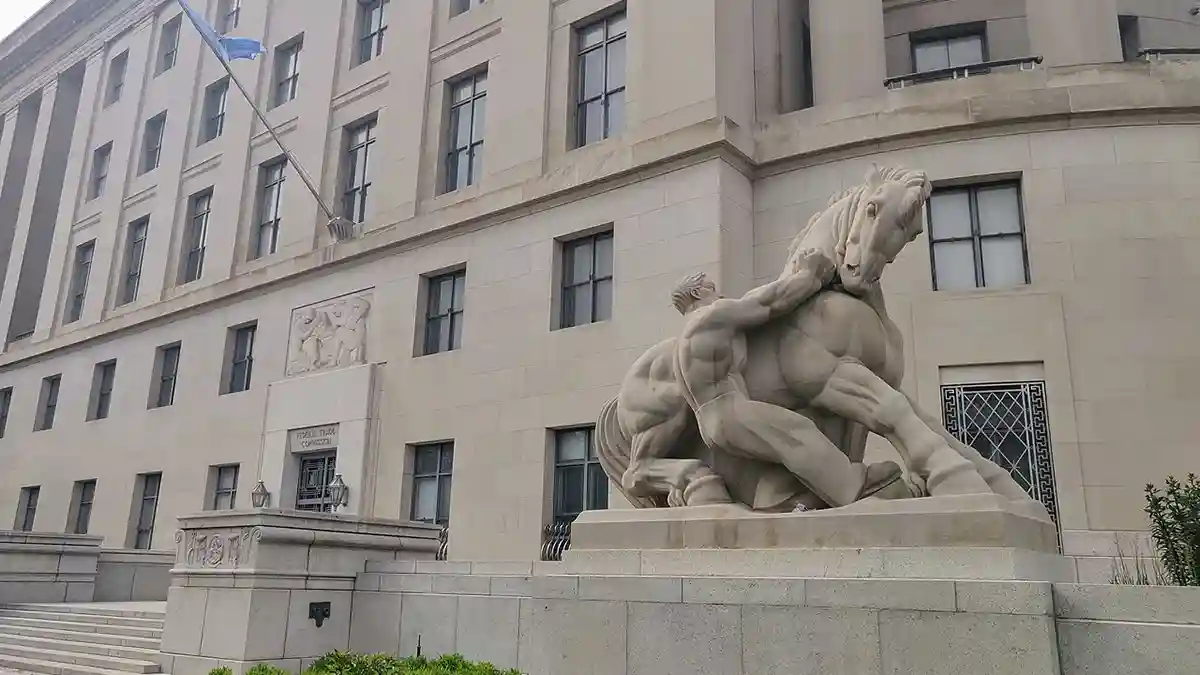
The dueling lawsuits between a Maryland ticket broker and the Federal Trade Commission escalated this week, with both sides asking a Maryland federal judge to dismiss the lawsuits the other has brought in their battle over the BOTS Act and its interpretation by law enforcement.
On Monday, Key Investment Group (KIG) filed an extensive motion to dismiss the FTC’s August complaint accusing the company of unlawfully evading ticket limits on blockbuster events like Taylor Swift’s Eras Tour. Hours later, the federal government filed its own request to dismiss KIG’s earlier pre-emptive lawsuit, a much narrower filing focused on jurisdictional defects. Together, the dueling motions sharpen the legal questions surrounding how far the BOTS Act reaches and how aggressively the government may enforce it.
These questions are also central to the FTC’s more recent lawsuit against Live Nation/Ticketmaster, accusing the company of effectively turning a blind eye to ticket brokers tickets to marquee events – as it stood to profit on both sale and resale of those tickets when they changed hands multiple times.
KIG and its affiliates, which operate sites such as TotalTickets.com, sued the FTC in July after learning an enforcement action was imminent. That lawsuit argued the agency was preparing a misapplied, expansive reading of the BOTS Act—treating multi-account ticket purchasing as if it were the same as running automated ticket bots. The FTC followed through a month later, filing an enforcement complaint that alleged KIG used thousands of Ticketmaster accounts, masked IP addresses, SIM banks, and other tools to acquire more than 2,200 tickets to Swift’s tour in 2023 alone, generating more than $1.2 million in resale revenue.
On November 24, the FTC moved to dismiss KIG’s original suit in brisk, uncomplicated terms. The agency argued that the court lacks jurisdiction to hear it because KIG identified no waiver of sovereign immunity, no valid cause of action, and no legal basis for the declaratory and injunctive relief it seeks. In short, the agency told the court that KIG cannot sue the federal government simply to head off an enforcement action, and that the company’s July filing should be dismissed under Rules 12(b)(1) and 12(b)(6).
KIG’s motion, by contrast, spans more than 60 pages and aims to dismantle the FTC’s enforcement case on multiple fronts. The company argues the BOTS Act was designed, written, debated, and publicly understood as a law targeting malicious software, not human-run multi-account purchasing. They note the FTC’s own 2017 guidance described the law as outlawing bots, and point to the statute’s legislative history and President Trump’s March 2025 executive order fact sheet, which similarly frame the law around automated ticket-buying tools.
KIG contends the FTC’s complaint fails because it never alleges the company used bots at all. Instead, the agency focuses on strategies such as using multiple Ticketmaster accounts, rotating IP addresses, virtual cards, and SIM boxes—methods KIG argues are common in the resale industry and involve no automated circumvention. They assert that none of these methods enabled them to bypass Ticketmaster’s systems faster than an ordinary user, nor do they constitute “circumvention” as the statute requires.
The company also argues that it cannot be accused of evading enforcement mechanisms that Ticketmaster itself knowingly permitted. Exhibits attached by the FTC to its own complaint include a 2018 Ticketmaster PowerPoint charting KIG’s many accounts and purchase volumes, as well as a 2024 email from a Ticketmaster representative confirming that multi-account purchases are allowed as long as each account respects its individual ticket limit. KIG says these materials establish that Ticketmaster tracked and approved the conduct the FTC now characterizes as unlawful.
This argument is bolstered by the FTC’s own high-profile lawsuit against Live Nation and Ticketmaster filed in September, which alleges that the primary ticketer has long allowed and even encouraged high-volume brokers to use thousands of accounts and proxy IPs. KIG calls the government’s positions inconsistent: in one case, Ticketmaster is accused of knowingly enabling brokers; in the other, resellers are accused of violating the law for doing what the primary marketplace allowed.
On the specifics of alleged ticket limit violations, KIG argues the FTC relies on aggregate numbers while ignoring that Ticketmaster sets limits per account. The complaint’s marquee example—273 Eras Tour tickets purchased through 49 accounts—works out to 5.6 tickets per account, below the six-ticket limit for those shows. As long as Ticketmaster knowingly allowed multi-account purchasing, KIG says, no BOTS Act violation is possible.
The filing also challenges the FTC’s attempt to impose civil penalties, arguing that the agency cannot meet the statute’s requirement that KIG had actual or implied knowledge that its conduct violated the law. They cite the consistent public framing of the BOTS Act as an anti-bot measure, and note that prior FTC settlements under the law involved recidivist bot users purchasing tens of thousands of tickets in seconds. Nothing in those cases, KIG argues, could have alerted a reseller that non-automated multi-account purchasing might be considered unlawful.
KIG further adds constitutional arguments, claiming the FTC’s interpretation renders the law unconstitutionally vague as applied to non-bot users and violates the Major Questions Doctrine by attempting to expand a narrow statute into a sweeping regulatory tool that could upend the entire secondary ticketing industry without congressional authorization.
With both sides now asking Judge George L. Russell III to throw out the other’s lawsuit, the court faces a set of intertwined decisions that could significantly shape the government’s ability to police the ticketing marketplace. A ruling in favor of KIG could limit the FTC’s enforcement of the BOTS Act to cases of true automated circumvention. A ruling for the FTC could affirm a broader view of the agency’s authority at a moment of heightened political pressure around ticketing practices following the Eras Tour debacle.
Key Investment Group (KIG) Filing:
Federal Trade Commission Filing:
Read next
More headlines

Apr 30, 2026
Cowboy Cup Rolls Into Rocklahoma 2026 For Cannabis-And-Rock Labor Day Takeover
Cowboy Cup is turning up the volume in 2026. Oklahoma’s premier cannabis competition, the Cowboy Cup Cannabis Championship & Festival,…
Apr 30, 2026
Federal Judge Lets FTC’s BOTS Act Case Against Key Investment Group Move Forward
A Maryland federal judge has allowed the Federal Trade Commission’s BOTS Act enforcement case against Key Investment Group to proceed,…

Apr 30, 2026
Rachel Zegler to Lead Broadway Transfer of Jamie Lloyd’s ‘Evita’
Jamie Lloyd’s London revival of Andrew Lloyd Webber and Tim Rice’s “Evita” is set to transfer to Broadway in 2027….